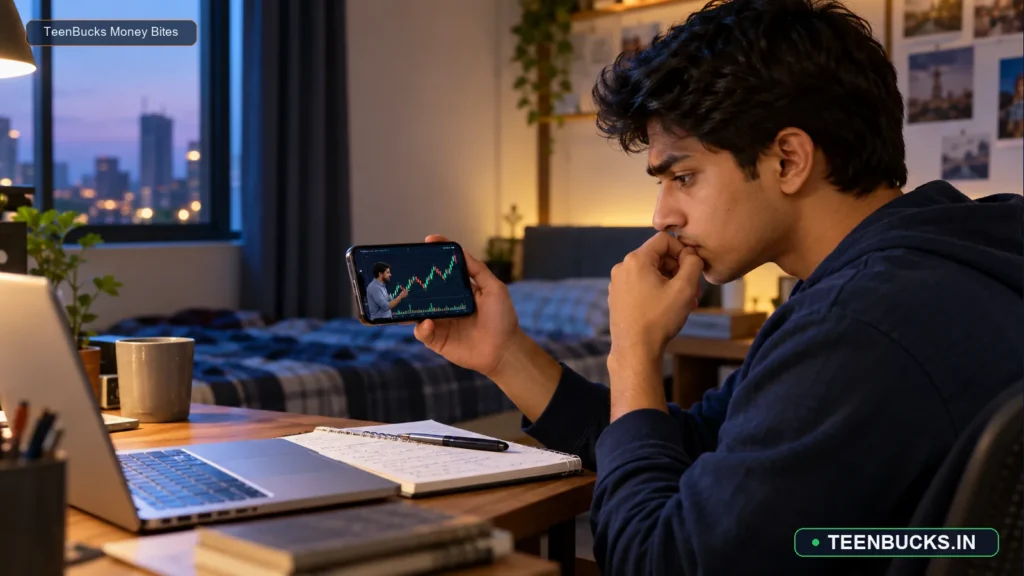
A creator opens a live chart, says “buy now,” shows a profit on screen and asks viewers to join a private Telegram group. For a first-time student investor, it can feel more convincing than a boring risk disclosure.
That is exactly the behaviour behind SEBI’s August 17, 2026 warning. The regulator did not say that every financial video is illegal. It drew attention to people using live sessions to provide real-time positions, targets and trading advice—sometimes while presenting themselves as educators rather than advisers.
The 30-day rule students should understand
In a May 2026 circular, SEBI standardised a 30-day lag for sharing and using market-price data solely for investor education and awareness. The circular permits educational use of delayed price data without monetary incentives, subject to its framework.
That gives you a useful warning sign: someone claiming to be “only an educator” while using current market prices to tell you exactly when to enter, exit or what target to expect may be crossing from education into real-time advice.
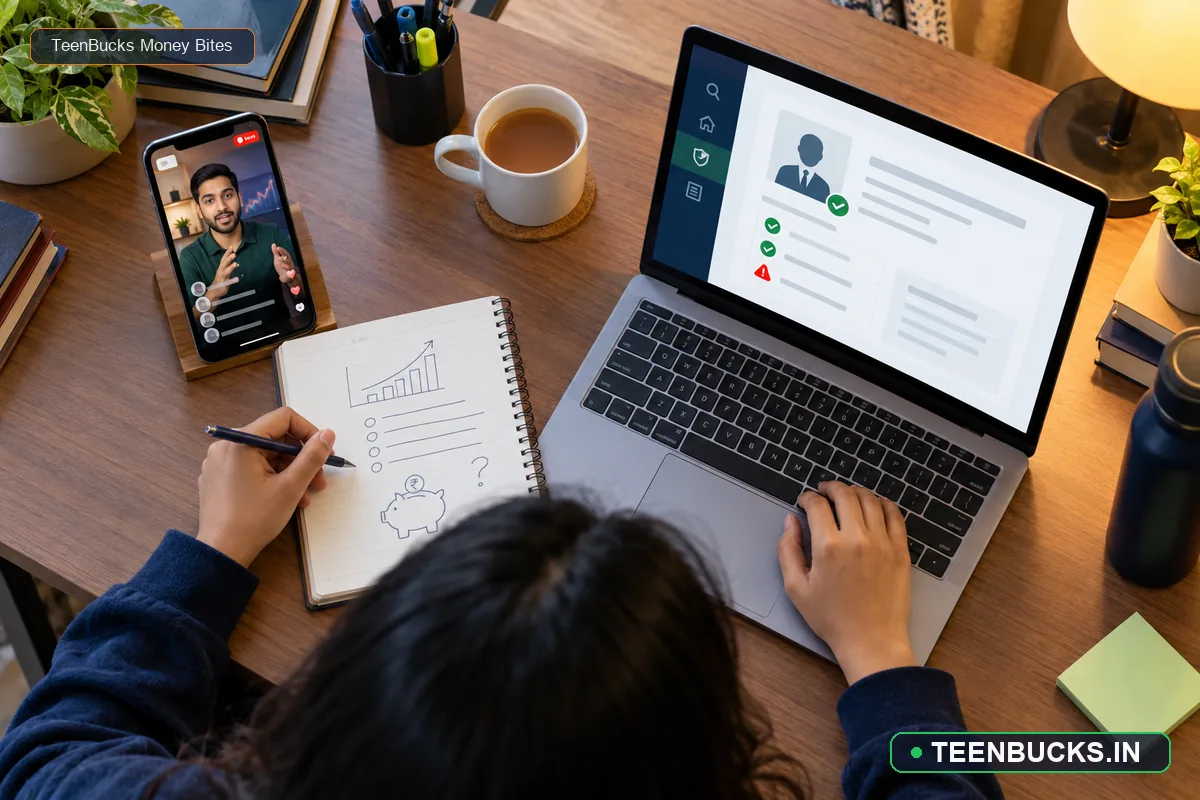
Four checks before following any trading creator
- Look for the registered name and number. From May 1, 2026, SEBI-regulated entities and their agents are required to display their registered name and registration number prominently on social-media profiles or posts under the applicable circular.
- Verify it independently. Do not trust a number shown only in a bio or screenshot. Search the relevant SEBI intermediary records and confirm that the name, category and contact details match.
- Reject urgency and guaranteed returns. “Act now,” fixed daily profits, recovery plans and risk-free option strategies are classic red flags identified in SEBI’s investor-awareness material.
- Never hand over your account. Do not share your broker password, OTP, TPIN or remote-screen access with a creator, group admin or “account manager.”
Education, advice and entertainment are not the same
A useful educational video can explain what a stop loss is, how position sizing works or why options can expire worthless. A real-time stream saying “buy this strike now, exit at this price” is different because the viewer may act immediately with real money.
A profitable trade displayed on one screen is not an audited performance record. You may not see losing trades, editing, multiple accounts, sponsorship arrangements or the creator’s real execution price.
What to do if you already joined a paid group
- Stop sending new money while you verify the person or entity.
- Save payment receipts, usernames, messages, URLs and screenshots.
- Contact your bank or broker immediately if credentials or unauthorised transactions are involved.
- Use SEBI’s SCORES platform for eligible complaints against regulated entities. For cyber fraud, also report promptly through India’s official cybercrime channel or helpline 1930.
The student takeaway
SEBI’s warning does not mean you must avoid every market educator. It means you should separate learning from live instructions and independently verify anyone offering regulated advice.
If you are beginning with investing, start with the mechanics: read how IPO allotment actually works and compare demat-account costs for students. Neither a verified badge nor a large follower count can replace that understanding.
Official sources
- SEBI press releases: August 17, 2026 live-trading warning
- SEBI circular: 30-day price-data lag for educational purposes
- SEBI circular: social-media registration disclosures
- SEBI Investor: how to spot a scam
Money Bites explains one money change in under five minutes. This article is investor education, not a stock recommendation.